The State of DEI in 2026
Diversity, Equity, and Inclusion (DEI) was put in place to counteract historical discrimination and allow equal opportunity for underrepresented groups. It was meant to address systemic barriers within workplaces and institutions.
Although this initiative was implemented in many industries, some corporations still ignored it and failed to apply it to their brands. The rise of the BLM(black lives matter) movement, accompanied by the tragic murder of George Floyd in May of 2020, led many fashion companies to vow promises of change to their DEI policies.
Fashion companies with few executives, designers, or models of color made efforts to include more diverse talent. These brands recognized that they had taken inspiration from minorities’ culture in their fashion trends and designs for years.
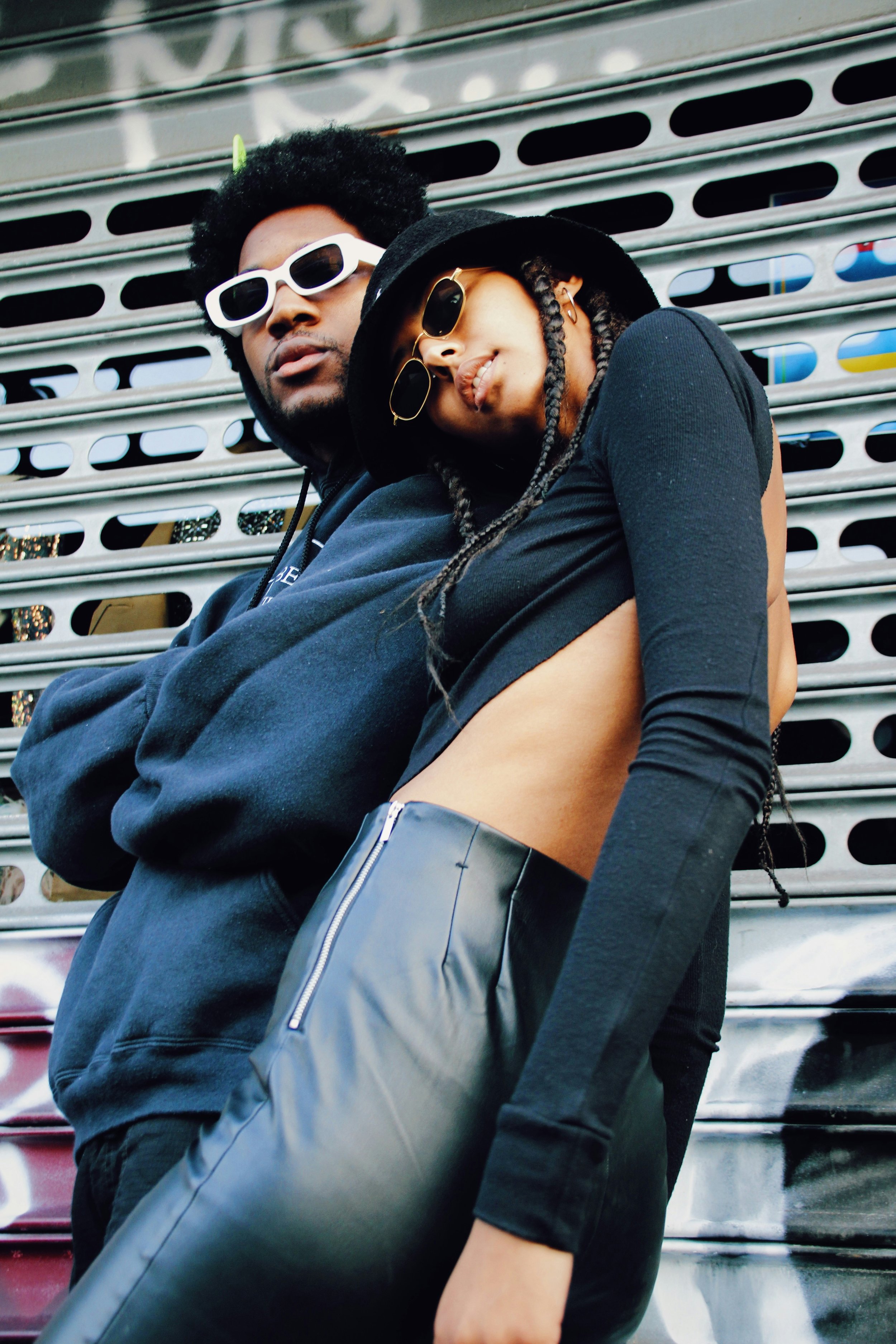
Photo credit: Simi Iluyomade | link
Yet, according to Remake World, about 63% of fashion companies still fail to meet DEI requirements. The promises made by brands have started to quietly disappear, and they’re now searching for new ways to keep their companies inclusive without using the term “DEI.”
Some companies argue that DEI is necessary to promote fairness and inclusivity within brands. However, critics argue that the policies risk a heavy shift of focus toward identity rather than individual merit.
Some brands that jumped on DEI as a PR trend are now facing backlash from conservatives, leading to investor fatigue and reluctance to participate. In turn, these organizations end up dropping their DEI policies.
Efforts to strengthen DEI continue to struggle under the current administration, with multiple executive orders and agency directives aimed at dismantling DEI policies.
In the coming months, we hope to see the fashion industry challenge these trends, restore a sense of equity, and continue to represent all people.
-Written By CWC Summer Intern Nalaia
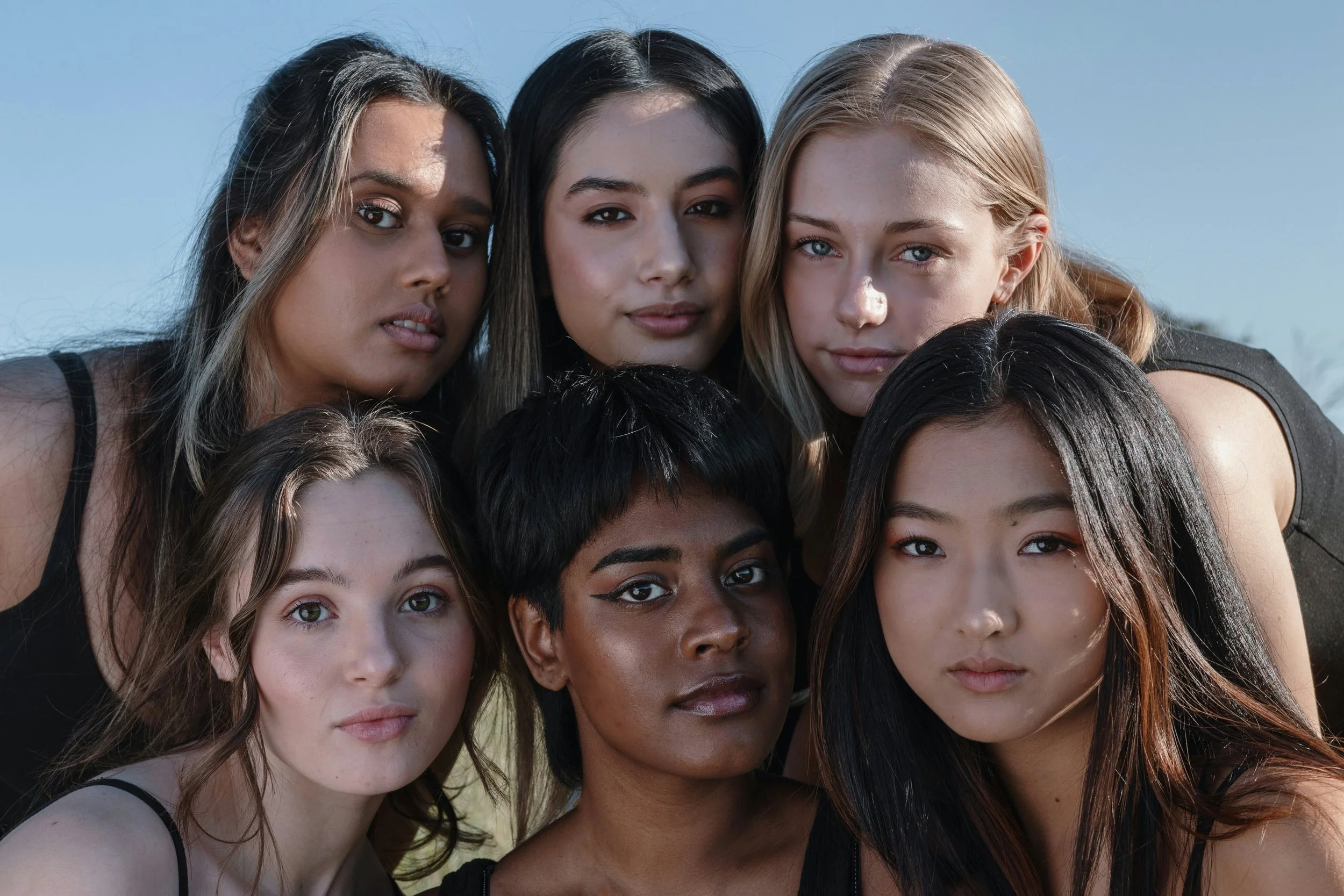
Photo credit: Joeyy Lee | link